BONAIRE, DUTCH NETHERLANDS
Traveling to Bonaire in 2026: Shore Diving Capital of the Caribbean
If you’re looking for a truly diver-focused destination with pristine reefs, easy logistics, and a relaxed island atmosphere, Bonaire should be at the top of your 2026 travel plans. Known as the “Shore Diving Capital of the World,” this small Dutch Caribbean island offers some of the healthiest reefs in the region, a strong conservation ethic, and unmatched freedom for divers to explore at their own pace.
When to Visit Bonaire
One of Bonaire’s biggest advantages is its consistently favorable weather year-round.
Best Travel Season
- Year-Round Destination
- Located outside the main hurricane belt
- Reliable weather nearly every month
Peak Season
- December – April
- Warm, dry, and most popular with travelers
Shoulder & Value Season
- May – November
- Slightly warmer temperatures
- Fewer crowds and better pricing
Water temperatures average 78–82°F (26–28°C), and visibility often exceeds 100 feet, making it ideal for underwater photography and extended dive days.
Bonaire is built for divers. Unlike many destinations, it doesn’t just offer diving—it revolves around it. The freedom of shore diving, combined with exceptional reef health and minimal crowds, creates an experience that is both relaxing and deeply rewarding.
For divers who want flexibility, independence, and pristine underwater environments, Bonaire is hard to beat.
While it may take a bit more effort to reach than Cozumel or Roatán, Bonaire rewards travelers with some of the most consistent and high-quality diving in the Caribbean.
If your idea of the perfect trip includes multiple dives per day, incredible marine life, and total control over your schedule, Bonaire should be at the top of your 2026 travel list.
Scuba Diving in Bonaire
Bonaire is widely considered one of the best shore diving destinations in the world.
What Makes Bonaire Unique
- Easy shore access with marked dive sites along the coast
- Unlimited diving packages at many resorts
- Calm conditions and minimal current
- Exceptional reef conservation and marine park protection
Divers can literally rent a truck, load their tanks, and explore dozens of dive sites on their own schedule.
Marine Life You’ll Encounter
Bonaire’s protected reefs are teeming with life, making it a paradise for both macro lovers and wide-angle enthusiasts.
Expect to see:
- Sea turtles (green, hawksbill, loggerhead)
- Frogfish, seahorses, and nudibranchs
- Tarpon (especially during night dives)
- Barracuda and jacks
- Parrotfish, angelfish, and butterflyfish
- Healthy hard and soft coral formations
Thanks to strict conservation efforts, Bonaire’s reefs are among the healthiest in the Caribbean.
Signature Dive Experiences
Shore Diving Freedom
- Over 60 marked dive sites accessible from shore
- Dive when you want, as often as you want
- Perfect for photographers and relaxed divers
Night Diving with Tarpon
- Bonaire is famous for its tarpon night dives, where large fish hunt using your dive light
- A thrilling but safe and controlled experience
Boat Diving to Klein Bonaire
- Short boat ride to a small, uninhabited island
- Pristine reefs and soft coral gardens
- Often less crowded than mainland sites
Dolphin Encounters & Shark Diving
Dolphin Encounters
Bonaire offers limited but high-quality dolphin experiences through marine programs focused on education and conservation. These are typically:
- Structured interactions
- Focused on animal welfare
- Less commercialized than other Caribbean destinations
Shark Encounters
- Sharks are present but less commonly seen than in destinations like the Bahamas
- Occasional sightings of nurse sharks and Caribbean reef sharks
- Bonaire is not known for organized shark-feeding dives, making encounters more natural and less predictable
Recommended Scuba Certifications
To maximize your Bonaire experience:
- Open Water Diver – Minimum requirement for shore diving
- Advanced Open Water Diver – Recommended for deeper profiles and navigation
- Peak Performance Buoyancy – Extremely valuable for protecting reefs
- Enriched Air (Nitrox) – Highly recommended due to repetitive diving schedules
- Night Diver Specialty – Ideal for Bonaire’s famous night dives
Culture & Island Life
Bonaire offers a unique cultural blend shaped by Dutch, Caribbean, and Latin influences.
What You’ll Experience
- Multilingual locals (Dutch, English, Spanish, and Papiamento)
- Colorful Dutch Caribbean architecture
- Relaxed, eco-conscious atmosphere
- Strong focus on sustainability and marine conservation
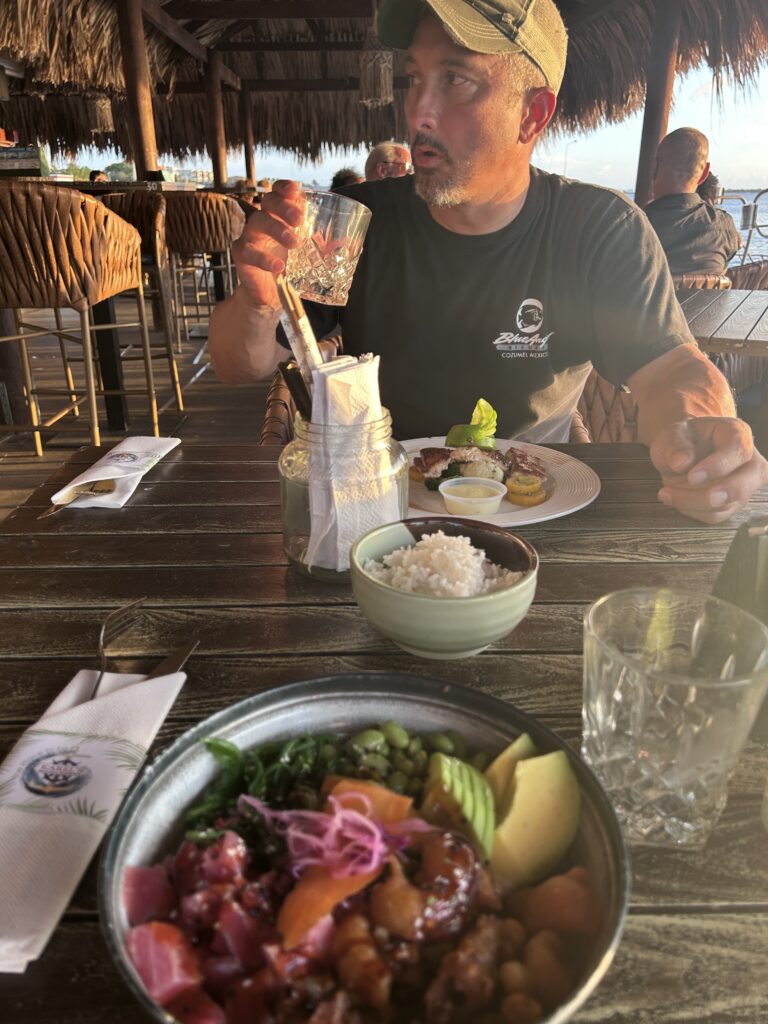
The capital, Kralendijk, features waterfront dining, boutique shopping, and easy access to dive operators and resorts.
Popular Activities Beyond Diving
While diving is the main attraction, Bonaire offers plenty of topside adventures:
- Snorkeling (excellent right from shore)
- Windsurfing and kitesurfing (world-class conditions)
- Kayaking through mangroves
- Visiting Washington Slagbaai National Park
- Birdwatching (including flamingos)
- Salt flats and scenic island drives
Getting to Bonaire in 2026
Bonaire is served by Flamingo International Airport (BON), with increasing connectivity from major U.S. cities.
Airlines Serving Bonaire
Major airlines include:
- American Airlines (Miami, Charlotte, Dallas)
- United Airlines (Houston, Newark)
- Delta Air Lines (Atlanta, seasonal routes)
- JetBlue (New York, Boston, seasonal)
- Sun Country (seasonal service)
From Austin, Texas (AUS)
- Typically 1-stop flights via Houston (IAH), Miami (MIA), or Dallas (DFW)
- Airlines: United, American, Delta
- Average round-trip cost (2026 estimate): $600–$1,000
- Travel time: ~6–9 hours
From Kansas City, Missouri (MCI)
- 1-stop or 2-stop flights required
- Common connections: Houston, Miami, Atlanta
- Airlines: American, United, Delta
- Average round-trip cost: $700–$1,200
- Travel time: ~7–10 hours
💡 Pro Tip: Bonaire flights often price higher than Cozumel or Roatán, but the diving quality and convenience—especially unlimited shore diving—make it well worth the investment.